Plug,Dev Blog
I was an accidental dev community builder. 10+ years ago, I started running developer meetups in London, then Dublin. There was no strategy behind this, I was a failed coder who didn’t finish the JS course during my career pivot. I didn't know enough people in tech, so I attended meetups where I felt out of my depth (where I wanted to be at the time) and tripped into organizing an event as it seemed like a decent excuse to get involved and help out.
I was solving my own problem: I wanted to learn, connect with the community and I figured others did too.
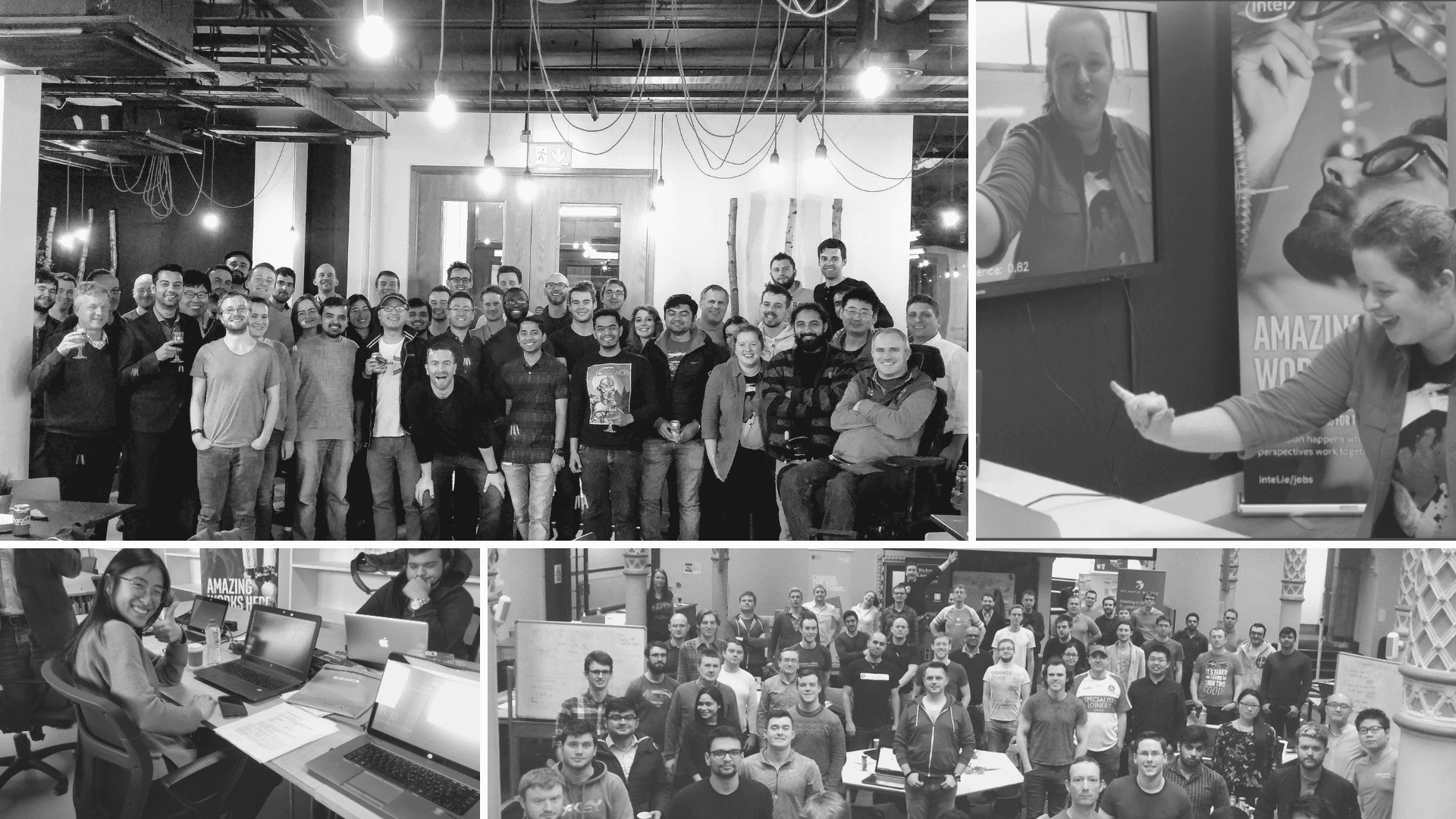
Those meetups grew into something I hadn't origionally planned for. Meetups went to hackathons, hacks went to conferences and talent development programs. We’d do a meetup and sell out 200 tickets in 5 hours for @dublinAI, launched a program training PhDs and postdocs, helping them become anti academic and get industry careers by plugging in hiring companies at the end of the program, regional GTM launches for DevTools via hackathons and more. I kept saying yes to things because they seemed interesting and in my wheelhouse of connecting companies to communities/talent, not because I was building toward anything specific at the time.
Somewhere along the way, I became the person with a front-row seat to how companies actually interact with developer communities.
The Pattern I Kept Seeing
What I noticed, over and over: companies view communities as content driven distribution partnerships.
They partner with meetups, hackathons, and developer groups to reach the people they want to hire or sell tools to. But the partnership only works when it creates genuine value for the community, usually through content. Talks. Tutorials. Workshops. Demos.
Every time I organized an event, I was the one fielding sponsor partnership requests, figuring out what would actually help attendees, saying no to the companies that just wanted logo placement or didn't actually compliment what we were doing.
That's when I understood something that now seems obvious: communities and creators are the bridge between companies and the developers they want to reach.
From Local to Online
I eventually built a small company around this, focused on helping local developer communities/meetups connect with brands. It was more an extension of what I was already doing.
The same developers who used to learn at meetups also spent time learning online, YouTube tutorials, technical blogs, Twitter threads breaking down complex concepts. The people creating this content weren't typical influencers. They were engineers who happened to be good at bringing together the community and/or teaching. Often part-time educators who happened to know how to code.
I kept running into the same type of person and noticing that companies wanted to reach their audiences the same way they'd wanted to reach mine. A local meetup might reach 100 developers. A technical creator on YouTube might reach 10,000. The scale changed, but the fundamentals stayed the same.
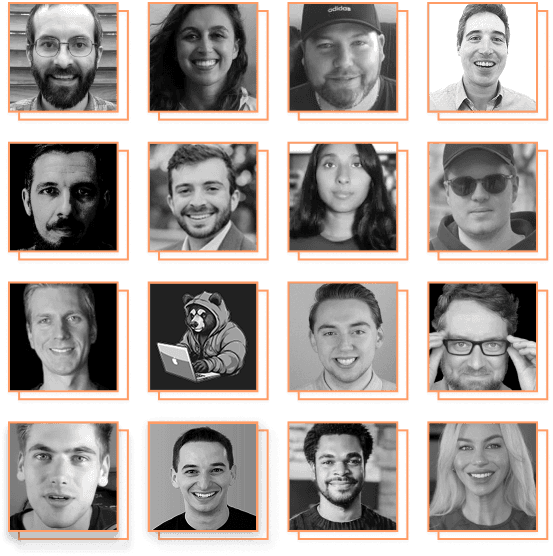
We started calling this category Creators That Code.
Why Plug Exists
Creators That Code have become become the primary educators and entertainers of the developer ecosystem. Not bootcamps. Not documentation. Not marketing teams. Individual people, teaching what they know to others, building trust one video, blog post or chat thread at a time.
That's the shift we're building around. Not because we saw a market and chased it, but because we'd been inside this thing for years before we realized it was a thing at all. The company grew out of the problem I was already trying to solve for myself. It just turned out other people had the same problem.